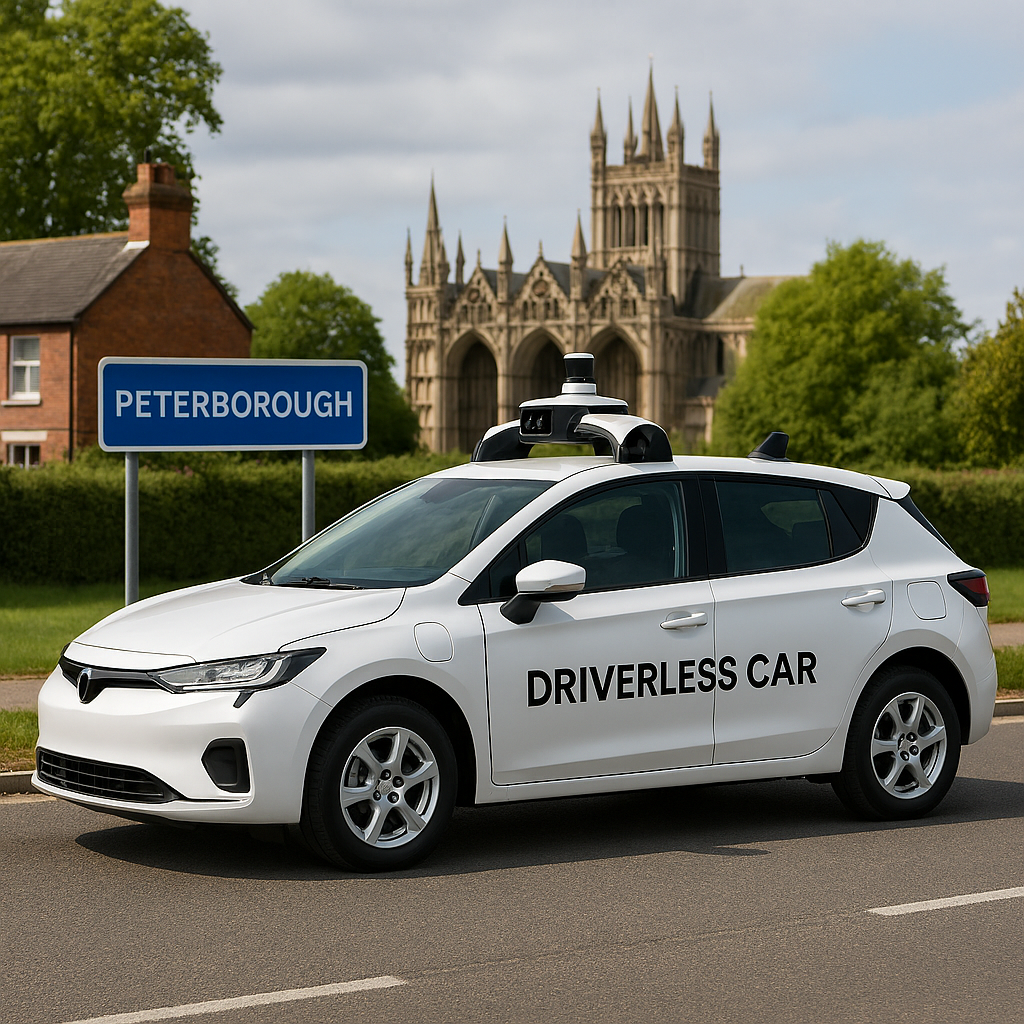
Driverless cars are expected to become a visible reality on UK roads in 2026, with government‑backed pilot services, new legislation, and major companies like Waymo preparing launches. The UK has accelerated its timeline, aiming for early public access to self‑driving taxis, shuttles, and bus‑style services.
What’s Happening in 2026
Government Plans
- Self‑driving vehicles could be on British roads by 2026, following the Automated Vehicles Act receiving Royal Assent. The government expects the sector to boost safety by reducing human error and create over 38,000 jobs.
- Pilot services are being fast‑tracked to spring 2026, allowing people to book self‑driving taxis or shuttle‑style vehicles via apps. These pilots are designed to test safety and public readiness before wider rollout.
Commercial Launches
- Waymo (Google’s self‑driving division) plans to operate driverless taxis in London as early as September 2026, using a fleet of driverless Jaguar vehicles.
- Around 24 Waymo vehicles are already being tested in London, currently with human drivers, ahead of full autonomous operation by late 2026 (pending regulatory approval).
Public Transport & Services
The first self‑driving public transport services—including taxi, private‑hire, and bus‑type vehicles—are expected by spring 2026, following the government’s decision to accelerate trials.
What This Means for UK Road Users
- Increased safety focus: Automated systems aim to reduce the 88% of collisions linked to human error.
- Gradual rollout: Early deployments will be limited to specific cities (London first), controlled routes, and supervised conditions.
New mobility options: App‑based autonomous taxis and shuttles could improve access for people who cannot currently drive.
Looking Ahead
- 2026 is shaping up to be the UK’s first real year of public‑facing autonomous mobility, with legislation, pilots, and commercial launches aligning for a significant shift in transport